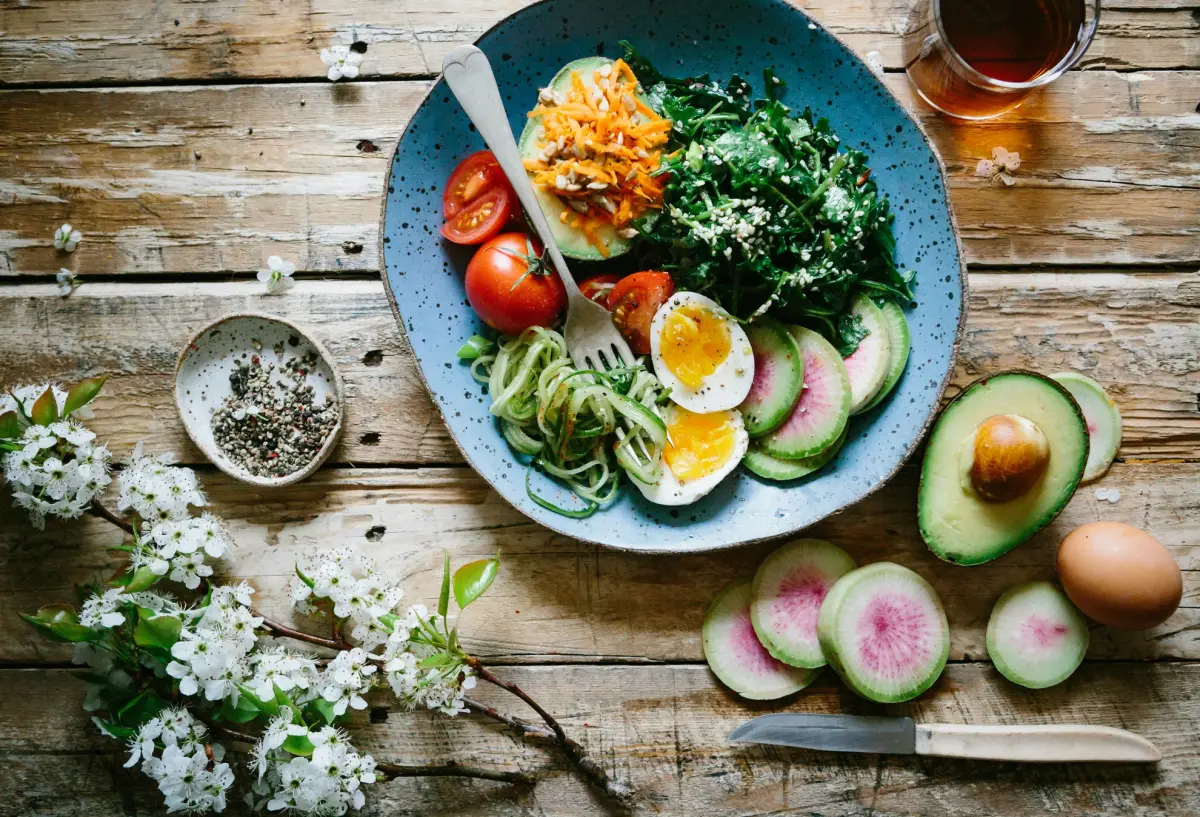
Amateur Swimmer Diet: How to Eat to Maximise Your Training
How should an amateur swimmer eat? Pre- and post-workout meals, hydration, supplementation – a practical nutrition guide for active swimmers.
Swimming is one of the most versatile and demanding sports. Even for an amateur, regular swim training can be a challenge that requires proper support in the form of a balanced diet. How should an amateur swimmer eat to get the most out of their efforts in the water and enjoy better results? Here are a few key tips.
A Balanced Diet Is the Foundation
The foundation of every swimmer’s diet – regardless of skill level – should be balanced nutrition. Make sure your plate includes:
• Protein: Essential for muscle recovery after training. Good protein sources include lean meat, fish, eggs, dairy, and legumes.
• Carbohydrates: The body’s primary energy source, especially during intense training sessions. Choose whole-grain products, fruits, vegetables, and groats.
• Fats: Healthy fats are important for the body’s proper functioning and should make up around 25–30% of your diet. Reach for nuts, seeds, avocado, olive oil, and oily fish.
Pre-Workout Meals
What you eat before training has a huge impact on your performance in the water. Ideally, have a meal 2–3 hours before swimming that includes:
• Complex carbohydrates: These provide a steady source of energy. Good options include whole-grain sandwiches with lean meat or porridge with fruit.
• Protein: A small amount of protein will help sustain your energy for longer and support your muscles. Natural yoghurt with nuts or soft-boiled eggs are great choices.
If you don’t have time for a full meal, have a light snack about an hour before training – for example, a banana, a handful of dried fruit, or a yoghurt-based smoothie.
Hydration
Hydration is crucial for swimmers, as even mild dehydration can negatively affect performance and well-being. Remember to drink water regularly throughout the day, not just right before training. Avoid sugary drinks and limit your coffee intake, as it can contribute to dehydration.
Post-Workout Recovery
After an intense swim, your muscles need to recover, so it’s important to provide them with the right nutrients. Here’s what your post-workout meal should include:
• Protein: Supports muscle repair and growth. Good protein sources include grilled chicken breast, fish, or a protein shake.
• Carbohydrates: Replenish glycogen stores in the muscles. Opt for whole-grain rice, groats, or root vegetables.
• Vegetables and fruit: Provide vitamins and minerals that support recovery processes and overall health.
Supplementation – Is It Necessary?
For an amateur swimmer, a well-balanced diet should in most cases be enough to meet nutritional needs. However, in certain situations supplementation can be helpful:
• Omega-3: A fatty acid that supports heart function and has anti-inflammatory properties. Consider supplementing if you don’t consume enough oily fish.
• Vitamin D: Particularly important during autumn and winter, when there is less sunlight. Vitamin D supports bone health and the immune system.
• Electrolytes: For long or very intense training sessions, electrolyte supplementation can help maintain proper hydration.
Consistency and Variety
The key to a successful swimmer’s diet is consistency and variety. Try to eat at regular times and make sure your meals are diverse. This way, you’ll provide your body with all the essential nutrients and maintain high energy levels for every training session.
Summary
An amateur swimmer’s diet doesn’t have to be complicated, but it should be well-balanced to support your training and recovery. Remember that what you eat has a direct impact on your performance in the water. Take care of your nutrition and you’ll see the results not only at the pool but in your everyday well-being too!
Don’t forget that every body is different, so it’s worth experimenting and adjusting your diet to your individual needs and responses. If you have any doubts, consult a dietitian who can help you create a nutrition plan tailored to your lifestyle and sporting goals.
See you at the pool, full of energy and ready for new challenges!