Differences Between Pool and Open Water Swimming
Pool or open water? A comparison of technique, equipment, navigation, and mental challenges. Learn what sets these two worlds of swimming apart.
Differences Between Pool and Open Water Swimming
Swimming is a sport that can be practiced both in a controlled environment such as a pool and in more natural conditions found in open water, including lakes, rivers, and seas. Both forms of swimming offer different experiences and challenges, and each has its own unique characteristics. Below, we will explore the key differences between pool and open water swimming, focusing on technical, physical, and mental aspects.
1. Environment
Pool Swimming
A pool is an artificial, enclosed environment where conditions are strictly controlled. Water temperature is typically maintained at a constant level, waves and currents are minimal or nonexistent, and the water is clean and clear.
• Temperature: Constant and comfortable, usually around 25–28°C in recreational and training pools.
• Visibility: Pool water is filtered and chemically treated, ensuring good underwater visibility.
• Distances and markings: Pools have clearly marked lanes of fixed lengths (25 m, 50 m), making it easy to track distance.
Open Water Swimming
Open water refers to natural bodies of water that are not artificially controlled, introducing variables that swimmers must contend with.
• Temperature: Variable depending on the season, location, and depth of the body of water, and can be significantly colder than a pool, especially in lakes, rivers, and seas.
• Visibility: Open water often has limited visibility due to natural sediments, plankton, sand, or algae, making orientation more difficult.
• Waves and currents: In lakes, rivers, and seas, swimmers may encounter waves, currents, and changing weather conditions that can significantly affect swimming technique and require additional skills for dealing with the forces of nature.
2. Swimming Technique
Pool Swimming
Technique in a pool is based on precision of movement and a steady rhythm. The pool environment is conducive to refining technique and perfecting every stroke.
• Consistent pace: Pool swimming generally allows for maintaining a steady pace throughout the entire distance, without needing to react to changing external conditions.
• Turns: Pools have fixed walls that swimmers use for turns (flip turns), providing a brief moment of rest and allowing for a dynamic push-off.
• Body position: The water in a pool is smooth, making it easier to maintain a streamlined, straight body position compared to open water.
Open Water Swimming
Swimming in open water requires the ability to adapt to changing conditions. Technique must be more flexible and adjusted to dynamic environments.
• No turns: In open water there are no walls or turns, so swimmers have no opportunity for rest, requiring more sustained effort over the entire distance.
• Breathing technique and orientation: In open water, swimmers often need to swim with their head raised to check direction and avoid obstacles. Open water swimming requires regularly lifting the head to maintain orientation and navigate.
• Adapting to waves: Swimmers must learn to swim with and against waves, which demands greater strength and skill in maintaining balance and rhythm in challenging conditions.
3. Orientation and Navigation
Pool Swimming
Orientation in a pool is very straightforward. Swimmers have designated lanes, and lines on the pool floor help maintain direction.
• Fixed reference lines: Lines on the pool floor help swimmers stay on a straight course.
• No obstacles: There are no natural obstacles in a pool, such as rocks, waves, or other floating objects that might require a change of route.
Open Water Swimming
In open water, orientation and navigation become essential skills.
• Navigation: Swimmers must regularly check their position by looking at landmarks on shore or using buoys along race courses.
• Visibility challenges: Depending on water clarity and wave conditions, maintaining direction can be more difficult, and at times it may be impossible to see the bottom.
4. Psychology and Mental Challenges
Pool Swimming
A pool is a place where many swimmers feel comfortable due to the predictability of the environment and the absence of surprises.
• Sense of security: In a pool, you can always stop at the edge or grab a lane line, giving swimmers a greater sense of control.
• Stable conditions: Consistent conditions and the absence of unexpected external factors promote calm, predictable training.
Open Water Swimming
Open water swimming presents swimmers with a range of mental challenges that must be faced.
• Uncertainty: Swimming in dark water where the bottom is invisible, and where wildlife may occasionally be encountered, can provoke anxiety or fear of the unknown.
• Self-reliance: When swimming in open water, a swimmer is often on their own, and the feeling of isolation can create additional stress.
• Changing conditions: Unexpected weather changes, rising waves, or the emergence of currents can intensify mental challenges, forcing the swimmer to stay calm and adapt.
5. Endurance and Physical Effort
Pool Swimming
Pool swimming requires endurance, but the effort is more controlled thanks to regular turns and stable conditions.
• Rest during turns: Turns in a pool allow for brief moments of rest and push-offs, reducing exhaustion.
• Consistent pace: Swimmers can maintain an even pace, allowing for more efficient energy management.
Open Water Swimming
Open water swimming demands greater endurance due to the lack of breaks and variable conditions.
• No rest: Without turns and walls, swimmers must cope with continuous effort over extended periods.
• Variable water resistance: Waves and currents can cause greater fatigue, and the lack of consistent water resistance means that technique must be adapted to changing conditions.
6. Equipment and Preparation
Pool Swimming
Equipment for pool swimming is fairly minimalist. All you need is appropriate swimwear, goggles, and a swim cap.
• Minimal equipment: Pool swimming does not require specialized equipment beyond basic accessories.
• Easy preparation: Simply put on your swimsuit, grab your goggles and a towel, and training can begin almost immediately.
Open Water Swimming
Open water swimming requires more advanced preparation.
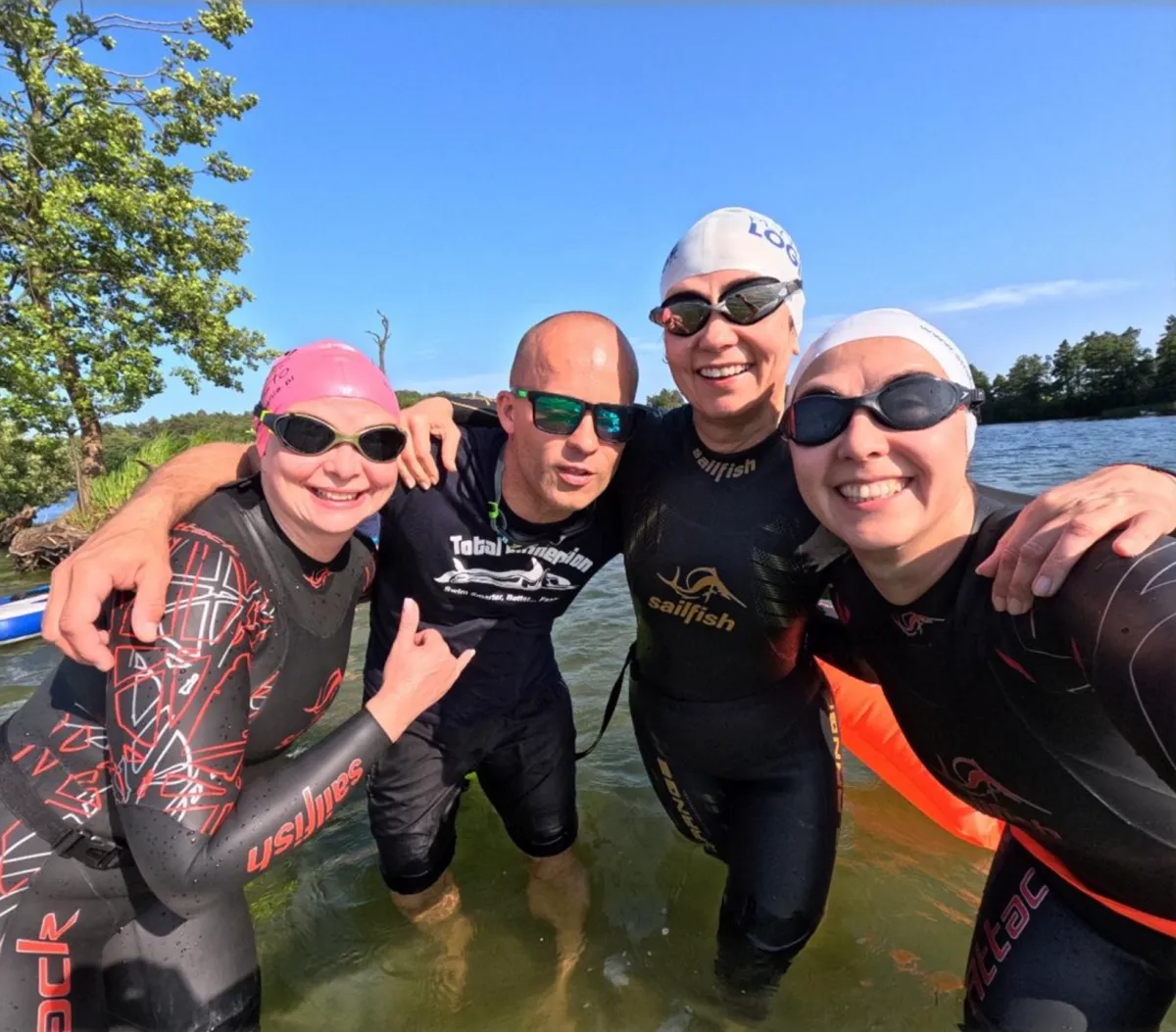
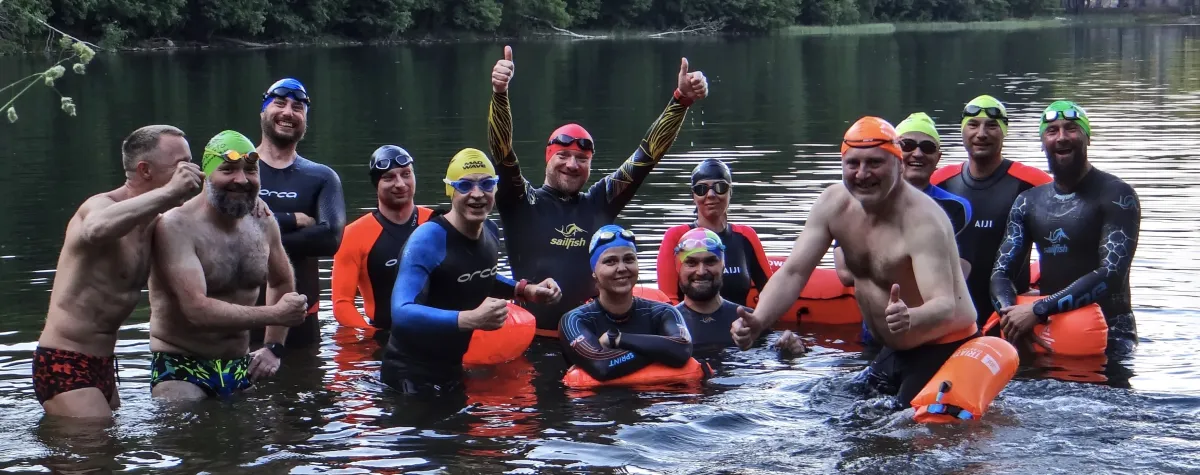
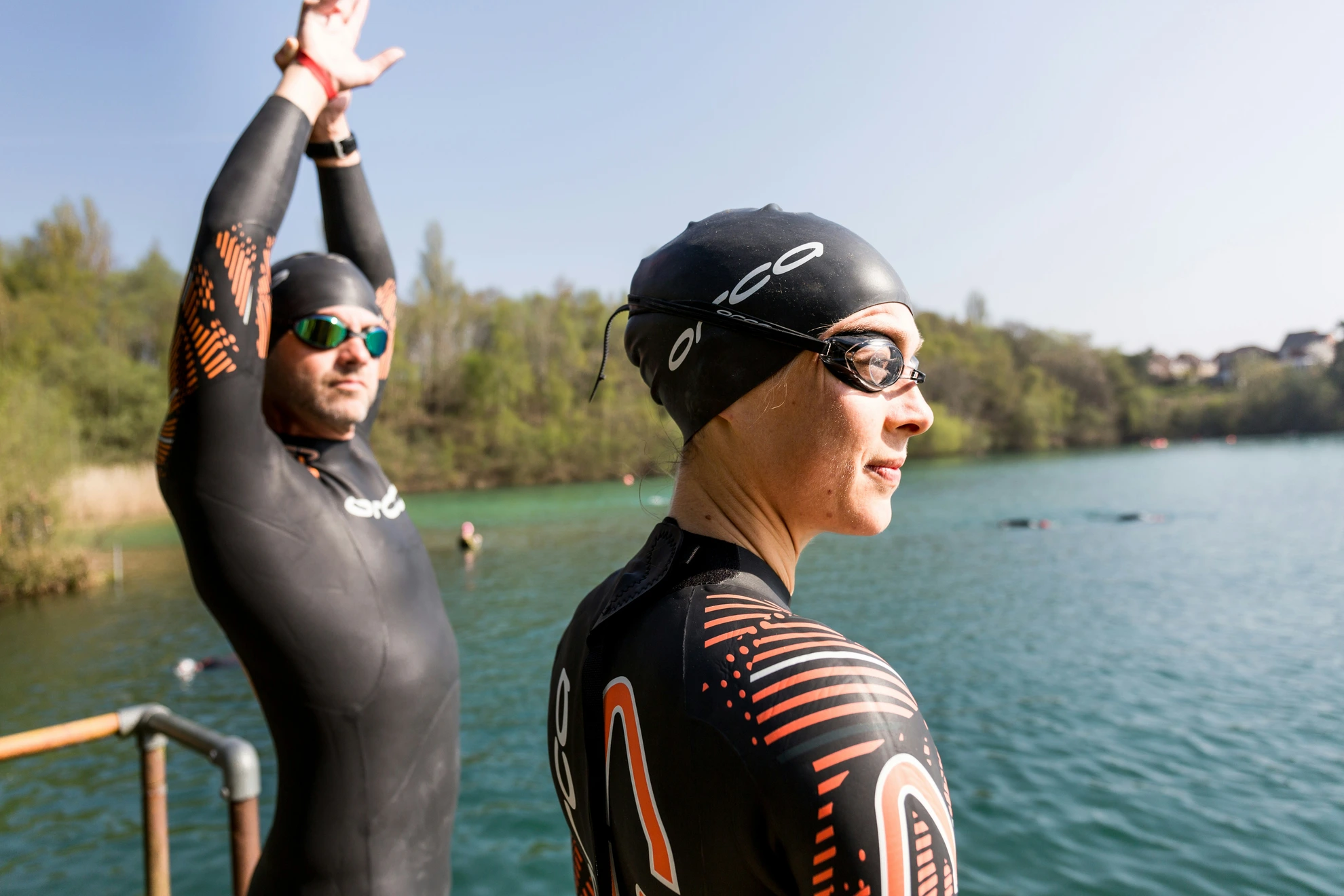
• Wetsuit: In colder waters, swimmers typically use neoprene wetsuits to protect against hypothermia.
• Safety buoys: For long distances or swimming in challenging conditions, safety buoys (tow floats) are often used to provide additional security.
• Enhanced safety awareness: Open water swimming requires greater emphasis on preparation, such as checking the weather forecast, using high-visibility accessories, and having knowledge of the body of water.
Summary
Pool and open water swimming are two different forms of the same sport, each offering distinct challenges and benefits. Pool swimming is more predictable and technique-focused, while open water swimming demands greater flexibility, endurance, and adaptability to changing conditions. Each form has its own unique characteristics that appeal to different types of swimmers, and combining both can be an excellent way to complement training and enrich the overall swimming experience.