Freestyle in the Total Immersion Method: A Detailed Guide
Learn the principles of freestyle in Total Immersion – drills, key concepts, and techniques. Swim more smoothly, efficiently, and with less effort.
Freestyle in the Total Immersion Method: A Detailed Guide
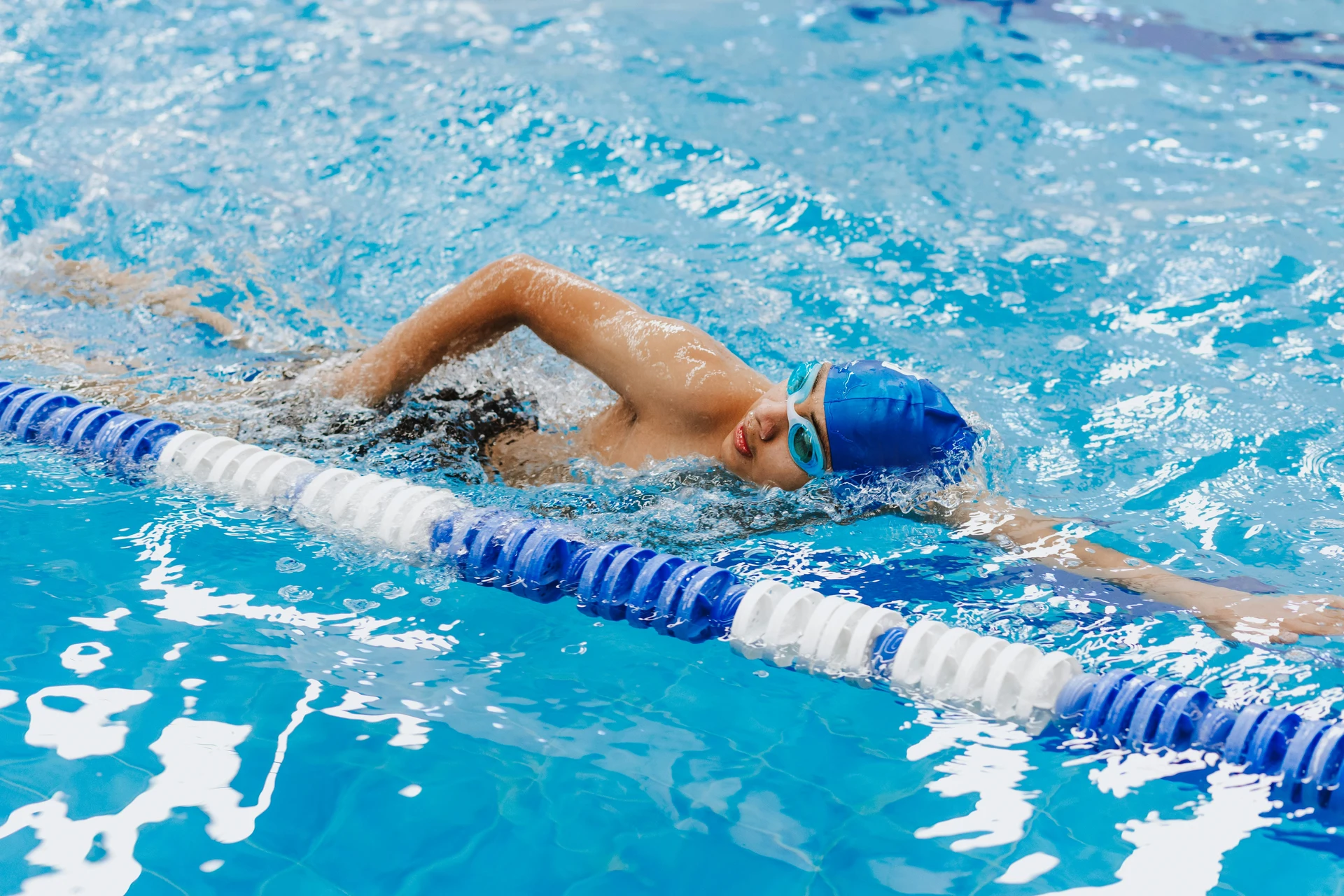
Freestyle is the most commonly used swimming stroke, particularly in competitive swimming and triathlon. In the Total Immersion method, the approach to freestyle differs from traditional techniques by emphasizing fluidity, efficiency, and minimizing effort. Below you will find a detailed description of how we teach freestyle according to Total Immersion principles, what drills are used, and which concepts are essential for understanding this method.
Core Principles of Freestyle in Total Immersion
In Total Immersion, freestyle is taught as a series of smooth, synchronized movements designed to reduce drag in the water and maximize energy efficiency. The key principles include:
• Balance: Maintaining body balance in the water is the foundation of freestyle in Total Immersion. Balance allows you to minimize drag and reduces the need for excessive effort while swimming.
• Streamline: The goal is to achieve the most hydrodynamic body shape possible in order to minimize drag in the water. Streamline in Total Immersion means keeping the head, spine, and legs aligned, allowing for smoother movement through the water.
• Hip-Driven Propulsion: In Total Immersion, the key source of propulsion comes from the hips, not just the arms and legs. Hip movement drives body rotation, which translates into more efficient and relaxed strokes.
Key Concepts in Total Immersion
When learning freestyle in Total Immersion, several key concepts are used to help understand and correctly execute the technique:
• Superman Glide: This is one of the fundamental drills in Total Immersion that helps develop balance in the water. The swimmer lies face down with arms extended forward, head submerged, and legs floating freely. The purpose of this drill is to feel how the body naturally positions itself in the water and how to minimize drag.
• Fish Drill: This drill teaches the swimmer how to position the body in a streamline position. The swimmer lies on their side with one arm extended forward and the other alongside the body, with the head in a neutral position. The Fish Drill helps the swimmer understand how to maintain a straight body line during rotation and how to effectively harness hip-driven propulsion.
• Skating Position: This is a position that prepares the swimmer for alternating arm strokes. In the skating position, one arm is extended forward while the body is rotated at approximately 45 degrees. This position teaches how to maintain balance during the transition from one stroke to the next.
• Mail Slot Entry: This is a technique for entering the hand into the water. In the Total Immersion method, the hand enters the water as if sliding into a “mail slot” – with fingers pointing downward and slightly outward, which allows for a more streamlined movement and less disruption to balance.
• Patient Arm: In Total Immersion, one arm always remains extended in front of the body while the other completes its stroke. This concept means that the extended arm “waits” in the water until the other arm finishes its stroke, ensuring continuous propulsion and fluid movement.
Drills Used in Total Immersion
Learning freestyle in Total Immersion is based on a sequence of drills that progressively develop the swimmer’s skills. Here are some of the key drills used in this method:
- Superman Glide
This is the foundational drill that helps you feel how the body floats on the water and how to maintain balance. The swimmer learns how to “lie” on the water while maintaining minimal drag. Superman Glide is the foundation upon which all further freestyle instruction is built.
- Fish Drill
After mastering Superman Glide, the swimmer moves on to Fish Drill. This drill teaches proper body positioning in the streamline position. The swimmer practices balance and control over body rotation, which is essential for effective freestyle swimming.
- Skating Position Drill
In this drill, the swimmer learns how to transition from one streamline position to another while keeping the body balanced and minimizing drag. The Skating Position Drill is often performed with one arm extended forward while the other remains alongside the body.
- Zenkai Drill
This drill combines elements of the Fish Drill and Skating Position. The swimmer practices alternating arm movements while focusing on maintaining balance and hip-driven propulsion.
- Mail Slot Entry Drill
This drill focuses on the correct entry of the hand into the water, which minimizes drag and helps maintain fluid movement. The Mail Slot Entry Drill teaches the swimmer how to gently and efficiently enter the hand into the water, avoiding chaotic and tiring movements.
- Patient Arm Drill
This drill develops the ability to coordinate arm movements. The swimmer practices a technique in which one arm remains extended while the other performs a stroke, ensuring consistent propulsion and balance.
Benefits of Freestyle in Total Immersion
The Total Immersion method offers numerous benefits that make it ideal for swimmers at every skill level:
• Energy Efficiency: Total Immersion teaches you how to conserve energy, allowing you to swim longer distances without fatigue.
• Fluid Movement: Through drills such as Mail Slot Entry and Patient Arm, swimmers learn how to move through the water with maximum fluidity and minimal drag.
• Injury Prevention: The focus on balance, controlled rotation, and efficient hip-driven propulsion reduces the risk of injuries that can result from excessive effort or improper technique.
• Versatility: The Total Immersion method is suitable for both recreational swimmers and athletes preparing for triathlons or competitive swimming events.
Summary
Learning freestyle with the Total Immersion method is a process that gradually introduces the swimmer to the world of smooth, relaxed, and efficient movement. Through sequential drills and an understanding of key concepts, swimmers can improve their technique, minimize drag in the water, and enjoy swimming at an entirely new level. Total Immersion is not just a technique – it is a philosophy of swimming that allows you to fully harness your body’s potential and achieve harmony with the water.