History of Swimming in Poland: To Olympic Gold
From 19th-century competitions to Otylia Jędrzejczak's gold in Athens – discover the fascinating history of Polish swimming and its greatest triumphs.
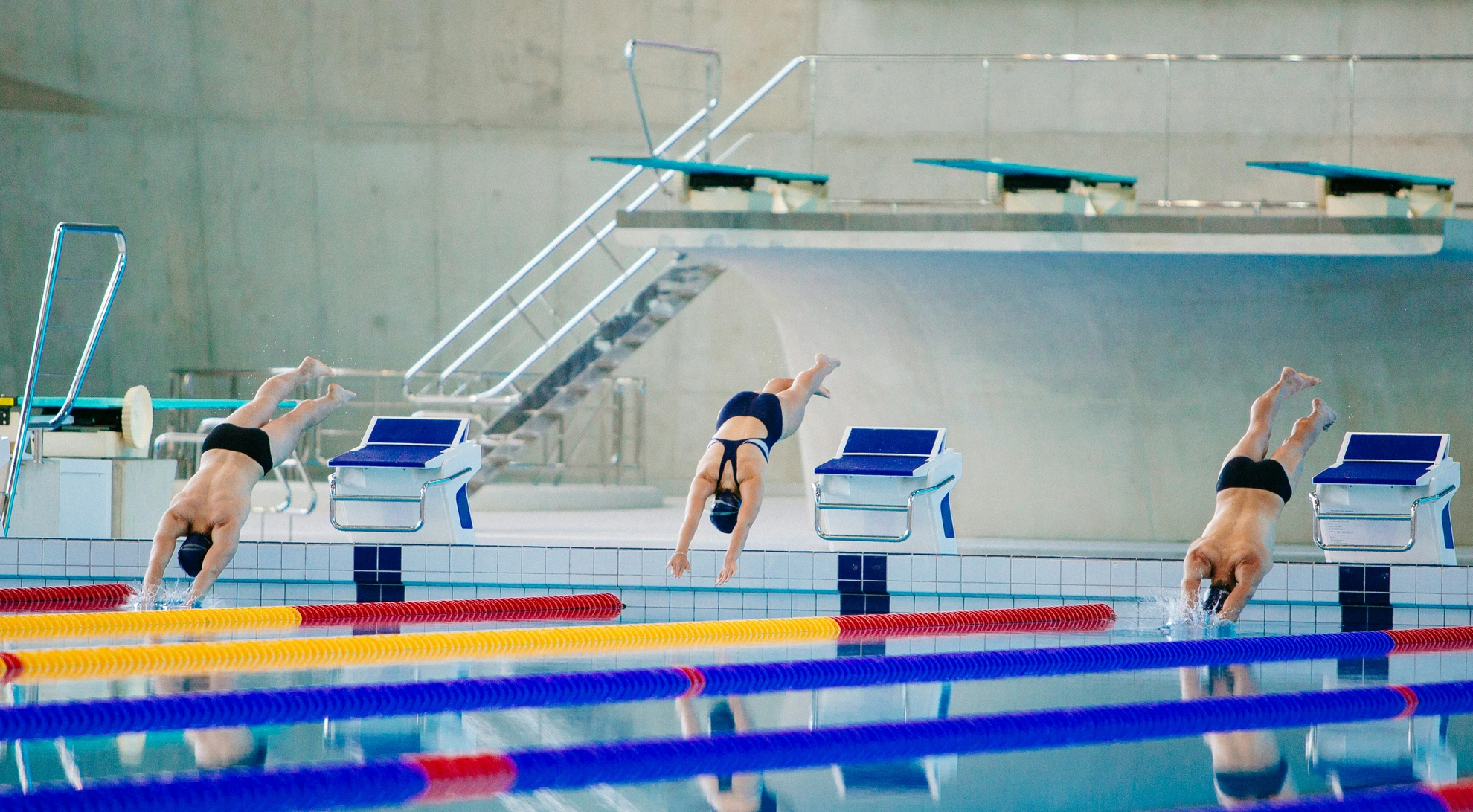
The history of swimming in Poland began in the late 19th century, when the first competitions in this discipline were organized. In 1922, the Polish Swimming Federation was established, playing a key role in formalizing and developing the sport in the country. During the interwar period, the first indoor pools were built, and Polish swimmers began achieving success on the international stage. After World War II, swimming in Poland developed rapidly, with Polish athletes achieving ever greater results.
The Beginnings of Swimming in Poland
Swimming in Poland began to develop in the late 19th century, primarily in cities such as Kraków, Warszawa, and Lwów, where the first pools and swimming clubs were built. Organized swimming competitions were held mainly in open waters, and swimming was gaining increasing popularity.
In 1922, the Polish Swimming Federation (PZP) was established with the aim of promoting the discipline and organizing competitions at both national and international levels. In the 1930s, the development of infrastructure, such as the construction of indoor pools, contributed to growing interest in the sport.
Swimming After World War II
After World War II, swimming in Poland gained momentum. In the 1950s, Polish swimmers began achieving success on the international stage. During this period, many new clubs were formed, and swimming became one of the key sports disciplines. Thanks to the construction of modern pools, the sport grew in importance, and Polish swimmers began participating in international competitions, winning medals at European and World Championships.
The Greatest Achievements of Polish Swimming
The Polish swimming scene experienced its greatest Olympic successes in the 21st century. The most significant achievement was Otylia Jędrzejczak’s victory at the 2004 Olympic Games in Athens, where she won a gold medal in the 200-meter butterfly and two silver medals in the 100-meter and 400-meter freestyle events. Jędrzejczak became one of the most important figures in the history of Polish swimming, inspiring future generations of athletes.
Another great talent was Paweł Korzeniowski, who achieved success at the European and World Championships, winning, among others, a gold medal in the 200-meter butterfly at the 2005 World Championships in Montreal. Korzeniowski continued the tradition of Polish swimmers’ success on the international stage.
The Present Day and Continued Development
Polish swimming continues to develop, and the achievements of athletes such as Radosław Kawęcki and Konrad Czerniak have contributed to growing interest in the sport within the country. These athletes have won numerous medals at European and World Championships, continuing the strong run of Polish swimming.
Today, swimming in Poland enjoys tremendous interest both as a competitive sport and as a form of recreation. Investments in infrastructure, youth training, and the popularity of water sports such as triathlon are contributing to the continued development of the discipline.
Summary
From humble beginnings in the late 19th century, through international success after World War II, to gold medals at the Olympic Games, the history of swimming in Poland is a story of perseverance, talent, and evolving sports infrastructure. Thanks to the work of coaches, clubs, and athletes, Polish swimming continues to develop dynamically, providing ever more reasons for pride on the world stage.