The Mathematics of Speed in Swimming: Factors Affecting Performance
How does physics affect speed in the water? Drag, propulsive force, DPS, and stroke rate – discover the mathematics behind fast swimming.
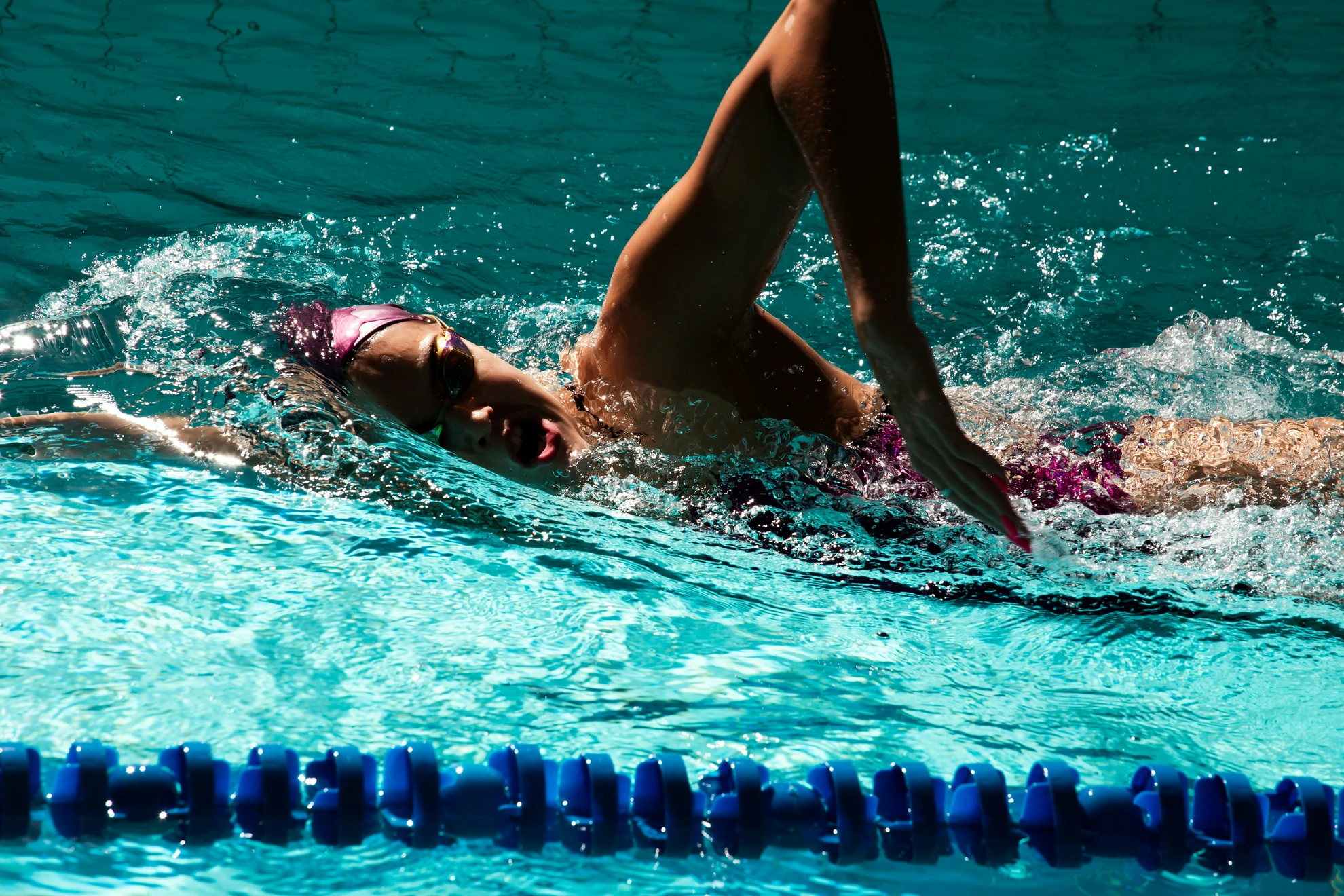
The Mathematics of Speed in Swimming: Factors Affecting Performance
Speed in swimming is a key factor that determines success in the sport. Although swimming may seem like a natural movement in water, behind every improvement in speed lies complex mathematics and the analysis of numerous variables. A swimmer’s speed depends on various biomechanical, physiological, and technical parameters. In this article, we will explore what affects swimming speed, what the key variables are, and which parameters can be measured to optimize performance in this discipline.
1. The Basic Speed Formula
Let’s start with the basic formula that describes speed in swimming: V = d/t
Where:
• V is speed (in meters per second, m/s),
• d is distance (in meters),
• t is the time needed to cover that distance (in seconds).
This simple equation tells us that speed is the result of the distance covered by a swimmer in a given time. While this equation is fundamental, there are many factors behind speed itself that can influence the results achieved.
2. Forces Acting on a Swimmer
Swimming in water is a constant battle against forces that a swimmer must overcome to achieve speed. The key forces affecting movement in water are:
• Water resistance: This is the force that opposes the swimmer’s movement. Reducing resistance is one of the most important technical aspects that affect speed.
• Form drag (hydrodynamic drag): The swimmer must overcome water resistance, which becomes more difficult at higher speeds. Form drag increases with the square of speed, meaning that even a small increase in speed requires significantly greater effort.
• Friction drag: This results from the contact between the body and the water. A larger contact surface area causes greater friction drag.
• Buoyancy: According to Archimedes’ principle, buoyancy helps support the body in water. The better a swimmer maintains a horizontal body position, the lower the hydrodynamic drag, which positively affects speed.
• Propulsive force: Swimmers generate propulsive force primarily through their arms (in freestyle, backstroke, and butterfly) and legs (in breaststroke). This force acts in the direction of movement, helping the swimmer move forward.
• Resistive forces: Unwanted forces that act in the opposite direction of the swimmer’s movement result from suboptimal swimming technique, such as uncoordinated leg movements or the head rising out of the water in a way that increases drag.
3. Measurable Parameters
To improve swimming speed, it is worth paying attention to specific technical and physiological parameters. Here are the most important ones:
1. Distance Per Stroke (DPS)
DPS is the distance a swimmer covers in one stroke cycle (from arm extension to returning to the same position). The longer the stroke, the fewer movements are needed to cover the distance, which is more efficient. A higher DPS means better energy utilization, and consequently, greater speed.
2. Stroke Rate (SR)
This is the number of stroke cycles a swimmer performs in a given time period, usually per minute (SR – Stroke Rate). Stroke rate is inversely proportional to distance per stroke, and optimizing this balance is crucial for achieving maximum speed.
3. Strength and Technical Efficiency
The force generated by a swimmer depends on the efficiency of arm, leg, and torso movements. Measuring this force and analyzing how it affects speed can help understand how to optimize technique. Modern tools, such as motion analyzers and swimming trainers, allow for precise assessment of the force generated during swimming.
4. Hydrodynamic Drag
Hydrodynamic drag can be measured using specialized tools used in sports biomechanics. Reducing drag through optimizing body position, improving technique, and wearing appropriate gear (such as wetsuits or specialized swimsuits) leads to a significant increase in speed.