"The Girl and the Sea" - Worth Watching
A review of a film about a 1914 disaster that sparked the fight for women's right to learn how to swim. A story of emancipation and courage.
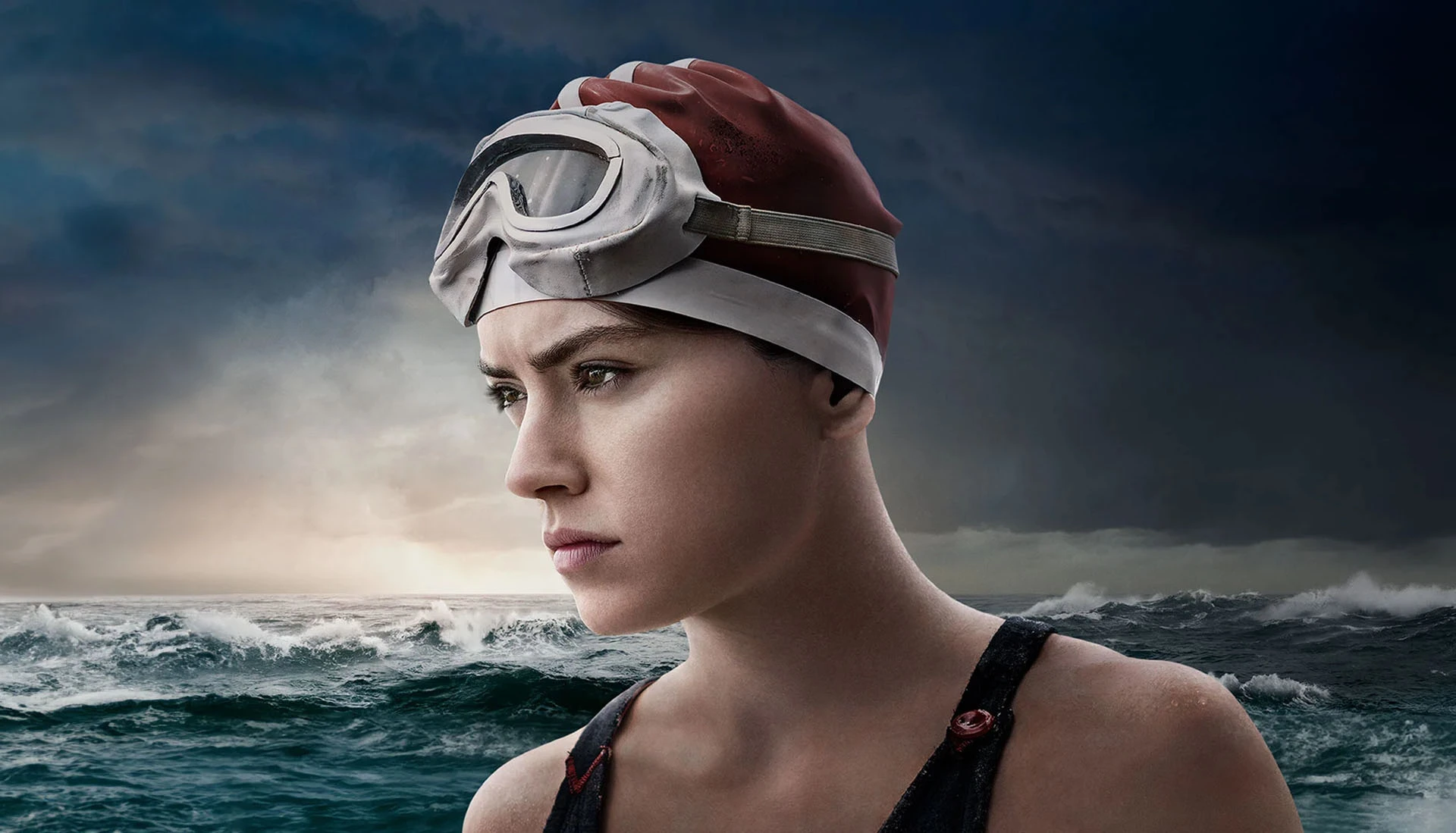
In the film “The Girl and the Sea”, a disaster from 1914 becomes a pivotal turning point that sparks a debate about swimming skills, particularly among women. The tragic event, in which the majority of victims were women, made society acutely aware of how the lack of these skills may have contributed to such a high death toll. In this context, the disaster became a catalyst for social change, and the topic of teaching women to swim was raised as an essential need.
At the time, in the early years of the 20th century, swimming was not a skill commonly taught to women. Social and cultural norms often restricted their access to physical activities considered “masculine,” and bathing in open waters was taboo for many women. The events of 1914 dramatically demonstrated that the lack of these basic skills could lead to tragic consequences. In the film, the disaster becomes the impetus for the heroines to begin learning to swim and to promote this cause among other women.
In the wake of the tragedy, a shift in social awareness took place. People began to realize that swimming was not merely a recreational skill but, above all, an essential ability that could save lives. In a society where women had until then often been confined to domestic roles, learning to swim became one of the first steps toward emancipation. In the film, this theme is portrayed symbolically — learning to swim is not just a matter of survival but also a metaphor for liberation, gaining independence, and finding strength.
The 1914 disaster led many social and educational organizations to begin promoting swimming lessons, especially for women. This was part of broader safety reforms that also encompassed maritime issues, as well as raising public awareness about emergency preparedness. During this period, numerous public pools and educational programs were established to popularize this skill. Women’s organizations in particular, which were developing their structures during this time, took the initiative to make swimming part of the training for young girls and women.
Thanks to these changes, women were able to participate more fully in physical activities, which had wider social implications. Learning to swim became a symbol of women’s growing emancipation, their liberation from traditional constraints and fear of the unknown — both literally and metaphorically. In the film “The Girl and the Sea”, this theme is clearly emphasized, as the heroines not only learn to swim but also fight for the right to self-determination and independence.
The 1914 disaster, though tragic, became a starting point for important social changes that would impact future generations of women. The introduction of swimming education programs became a milestone in the fight for gender equality and women’s right to learn skills that had previously been reserved primarily for men.